How to Choose the Best Ringlock Scaffold for Your Project?
When selecting the best Ringlock Scaffold for your construction project, expertise is crucial. John Smith, a leading expert in scaffold systems, once stated, “Choosing the right scaffold can make or break your project.” His insight emphasizes the importance of careful consideration.
Ringlock Scaffolds are known for their versatility and strength. They are widely used in industrial and commercial sectors. However, the selection process may not be as straightforward as it seems. Different projects have unique requirements. Consider factors like load capacity, height, and access needs.
Many users report challenges with setup and stability. It’s essential to weigh these aspects against your project demands. You may find that a scaffold looks perfect on paper but falls short in practice. Evaluating user feedback and expert recommendations can guide you in making a well-informed choice.
Understanding Ringlock Scaffold and Its Advantages
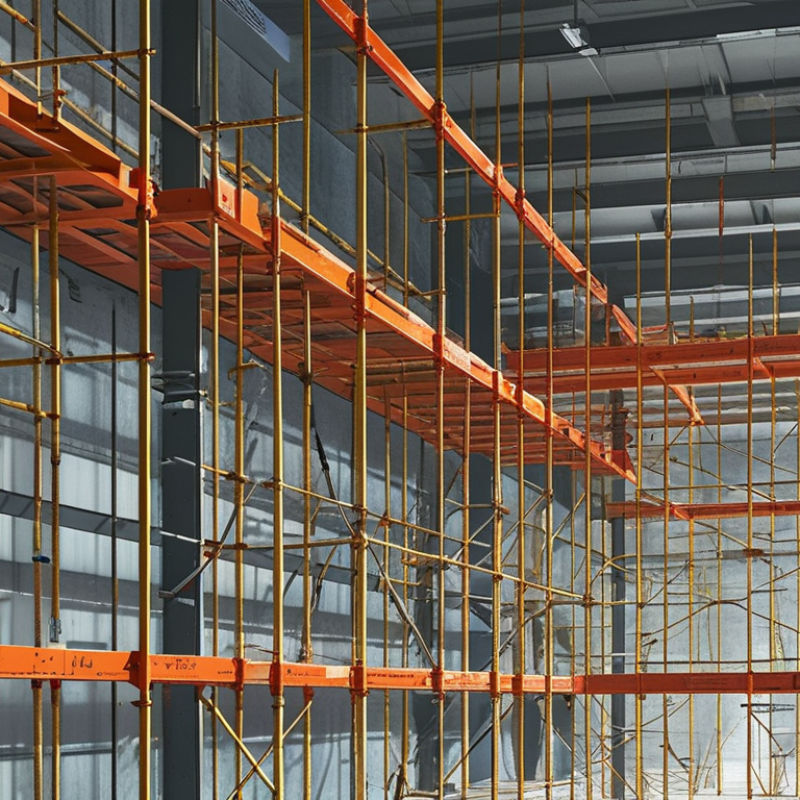
Ringlock scaffold is a popular choice in construction due to its versatility and ease of assembly. This system consists of a series of vertical posts, horizontal ledgers, and diagonals that connect easily without complex tools. The design allows for quick setup, which is essential for tight deadlines. Many construction teams appreciate the simplicity, yet it is crucial not to overlook safety during installation.
One of the key advantages of ringlock scaffold is its strength. The unique locking system provides stability, making it suitable for both light and heavy-duty applications. However, with power comes responsibility. Workers must ensure that the scaffold is properly inspected and maintained. Overlooking this can lead to accidents. Trustworthiness comes from experience, and relying solely on convenience can be risky.
Another notable feature of ringlock scaffold is its adaptability. It can be configured in various ways to meet project needs. This flexibility allows for adjustments on-site, but it may also lead to potential misuse. Some teams might try to optimize the system beyond its intended use, raising safety concerns. Being aware of these possibilities can help better manage risks and sustain structural integrity during projects.
Identifying Project Requirements for Scaffold Selection
Choosing the best ringlock scaffold for your project hinges on understanding specific project requirements. Construction surveys indicate that selecting the right scaffold can reduce accidents by up to 30%. Therefore, it is crucial to assess the work environment, including height, load capacity, and accessibility. Different projects will have varying needs based on these factors. For instance, a residential renovation may require lighter scaffolds compared to a commercial building project.
Consider the terrain and weather conditions as well. A report from the Scaffold and Access Industry Association (SAIA) reveals that weather-related accidents account for a significant percentage of scaffold-related injuries. This emphasizes the need for scaffolds designed to withstand wind and rain. If your project site is uneven, a customizable scaffold may be beneficial, allowing for safe and effective use.
Tip: Always consult with industry professionals to validate your scaffold selection. Gathering insights from experienced contractors can help avoid common pitfalls, such as underestimating load requirements or overlooking safety features. Evaluating the skills of your crew is important, too. A scaffold may be perfect, but without trained personnel, safety is compromised.
Evaluating Scaffold Material and Weight Capacity
When selecting the right ringlock scaffold for your project, evaluating material and weight capacity is crucial. The scaffold's material often determines its durability and longevity. Steel scaffolds offer robust support, while aluminum is lighter and easier to maneuver. Both materials have their specific applications, depending on your project's needs.
Weight capacity is another essential factor. It affects how many workers can safely operate on the scaffold and how much equipment can be stored. Every project has unique demands, and scaffolding must meet those requirements to ensure worker safety. Test the load limits carefully. Overloading can lead to accidents and structural failures.
Consider these points. Inspect for any signs of wear or damage. If a scaffold has rust or corrosion, it might compromise safety. Always refer to the manufacturer's specifications. While it may seem straightforward, understanding how weight limits impact your project can be more complex than anticipated. It's not just about numbers; think about real-world conditions and potential hazards. Always prioritize safety to achieve the best results in your projects.
Choosing the Best Ringlock Scaffold: Material and Weight Capacity Evaluation
Assessing Safety Features and Compliance Standards
When selecting a ringlock scaffold, safety features should top your priority list. Assessing the stability of the scaffolding is crucial. Look for systems with solid connections that minimize swaying and risk. Pay attention to load capacities. Ensure they meet or exceed your project requirements. Reinforced guardrails can be a lifesaver, preventing falls and accidents.
Compliance with industry standards is equally important. Each region has specific regulations governing scaffolding. Familiarize yourself with these rules to avoid potential pitfalls. Non-compliance can lead to fines or project delays. Inspect each component for certification marks. This step verifies that materials meet safety protocols.
Regular training for personnel using the scaffolding is also vital. Even the best equipment can fail if misused. Clear communication among team members fosters a safer work environment. Reflect on past scaffold incidents to improve current practices. Safety isn’t just about the tools; it’s about the people using them.
How to Choose the Best Ringlock Scaffold for Your Project? - Assessing Safety Features and Compliance Standards
| Feature |
Description |
Compliance Standard |
Safety Rating |
| Load Capacity |
Maximum load a scaffold can support without failure. |
ANSI/SIA A92.6 |
4.0 |
| Material Quality |
Grade of materials used to manufacture the scaffold. |
ISO 9001 |
5.0 |
| Height Adjustment |
Ease of adjusting the height of the scaffold securely. |
OSHA 1926.451 |
4.5 |
| Assembly and Disassembly |
Time and safety of putting the scaffold together and taking it down. |
BS EN 12811 |
4.8 |
| Anchoring System |
Type of anchor points and their stability. |
EN 12810 |
4.7 |
Comparing Cost and Rental Options for Ringlock Scaffolds
When considering a ringlock scaffold for your project, comparing cost and rental options is essential. Many contractors weigh whether to purchase or rent this versatile equipment. Rental options often provide a cost-effective solution for short-term projects. You can find various rental companies that specialize in scaffolding. It’s crucial to assess their reputation and reliability. A vendor with experience is often more trustworthy.
Evaluating the costs involved requires careful thought. Purchasing a ringlock scaffold involves upfront investment. Maintenance costs can add up over time, but ownership may be more economical for long-term projects. Furthermore, sometimes rental rates are higher than expected, leading to budget constraints or unexpected expenses. Always ask for detailed pricing to avoid surprises.
Keep in mind that both purchasing and renting have pros and cons. Longer projects might justify a purchase, while shorter tasks may not. Before deciding, consider how often you plan to use the scaffold and your project timeline. Reflecting on your specific needs will lead to a more informed choice. Balancing immediate costs with long-term benefits can be tricky, but it's critical for budget management.

 +86 18531742341