How to Calculate Scaffolding Cost for Your Construction Project?
Calculating scaffolding cost for your construction project is crucial. Accurate cost estimation ensures you stay within budget and meet your project timeline. Scaffolding provides essential support and safety for workers, making it a key component of any construction site. However, many overlook the intricacies involved in determining these costs.
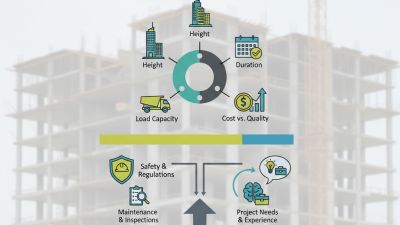
Scaffolding cost can vary significantly based on several factors. The type of scaffolding, the height of the structure, and location all play vital roles. Larger projects will require more scaffolding and specialized equipment. Additionally, labor costs can fluctuate depending on the complexity of the job. It's important to gather quotes and analyze them carefully, as some companies may offer competitive pricing but lack proper safety measures.
Reflecting on past experiences can guide your cost estimation process. Learning from previous projects helps in identifying hidden costs, such as maintenance and rental fees. Ensure you factor in unforeseen expenses, as they can derail your project. Understanding the true cost of scaffolding not only protects your investment but enhances the overall safety and efficiency of your construction efforts.
Understanding Scaffolding Types and Their Costs
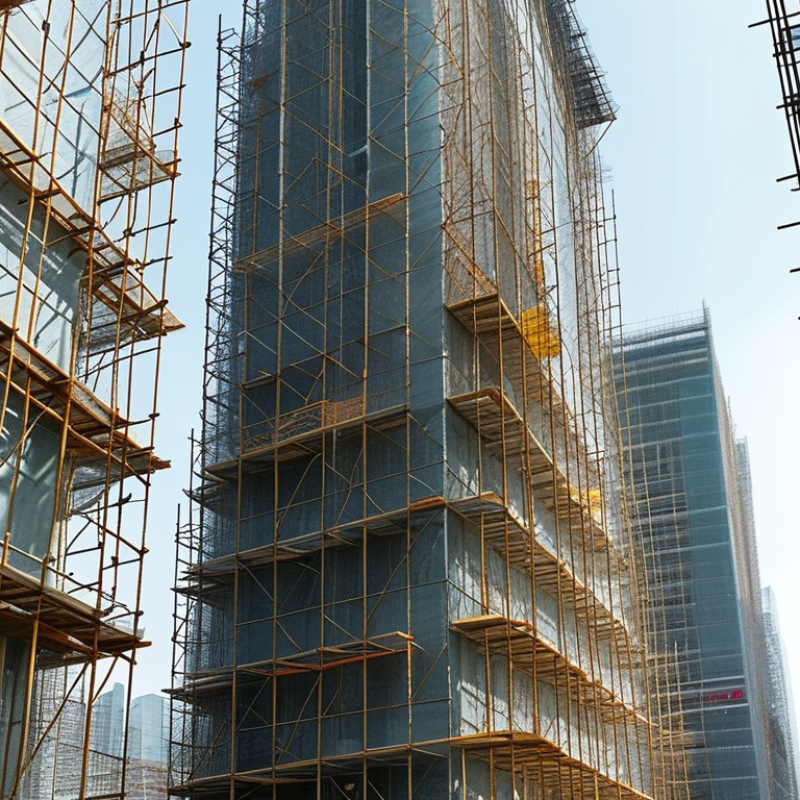
When considering scaffolding options, it's essential to understand the various types available. Each type has its own cost and purpose. For instance, frame scaffolding is popular for its ease of assembly. It’s cost-effective and provides stable support for most projects. However, it might not suit complex designs.
Meanwhile, suspended scaffolding is ideal for tall buildings. This type allows workers to access hard-to-reach areas. It does come with a higher price tag, reflecting its specialized use. Additionally, factor in safety equipment and inspections, which can add to costs. Accurate calculations are crucial for budgeting.
Choosing the right scaffolding type can be challenging. It may require deep knowledge of your project needs. Sometimes, miscalculations lead to unexpected expenses. Consulting an expert can help streamline this process. Remember, what works for one project may not suit another. Therefore, take time to evaluate your specific requirements.
Scaffolding Cost Analysis by Type
Factors Influencing Scaffolding Cost in Construction Projects
When calculating scaffolding costs, several key factors influence the final price. The type of project is crucial. Residential buildings may require different scaffolding than commercial sites. Each structure has unique requirements. Heights, dimensions, and layouts affect how many materials you need. Furthermore, the complexity of the project can add to the overall expense.
Location plays a vital role as well. If the site is in a remote area, logistics can become challenging. Delivery fees rise, along with setup times. Weather conditions should also be considered. Rain or extreme temperatures can delay installation and lead to higher costs. Additionally, local regulations may impact scaffolding requirements and inspections.
Finally, the duration of the project is significant. Longer projects typically incur higher rental fees for scaffolding equipment. Labor costs may increase if more workers are needed for installation and dismantling. Reflecting on these factors can help you budget more effectively. However, precise calculations can be tricky when faced with unforeseen circumstances. Always anticipate potential changes to avoid budget overruns.
Step-by-Step Guide to Estimating Scaffolding Material Requirements
Estimating scaffolding material requirements involves several key steps. Begin by assessing your project’s specific needs. Consider the height and complexity of the structure.
Scaffolding can account for 15-25% of overall project costs, according to industry reports.
Site conditions also matter. Factors like soil stability and accessibility heavily influence material quantities.
Next, calculate the area that needs scaffolding. This is often done by measuring the perimeter and height of the structure.
Multiply these dimensions to get the total square footage. For example, a building that is 50 feet tall and 100 feet around requires approximately 5,000 square feet of scaffolding space.
Lastly, remember to include additional materials. Guardrails, toe boards, and plank space are crucial. While it’s easy to overlook these, they are vital for safety.
Always have a buffer in your calculations, about 10-15% extra materials. This helps accommodate unexpected changes or mistakes in measurements.
Accurate estimation ensures project efficiency and cost-effectiveness. Customizing your approach based on project specifics is essential.
Trial and error can help refine your estimation process over time.
Calculating Labor Costs for Scaffolding Installation and Dismantling
Calculating labor costs for scaffolding installation and dismantling is crucial for budget management. Labor costs can vary based on experience, location, and project complexity. Hiring skilled labor ensures safety and efficiency, which are paramount on a construction site. Estimating the number of workers needed is the first step. Consider the size and height of the scaffolding. More intricate structures may need additional personnel.
Project managers should track local wage rates for scaffolding workers. These rates can fluctuate, so it's important to stay updated. Costs also include overtime for urgent projects. Planning for delays can help manage these expenses. Workers may require training, which adds to the cost. Including all potential expenses in your budget is key.
Reflecting on past projects can provide insight. Did you underestimate the labor needed? Learning from previous experiences can improve future cost calculations. Always factor in unexpected challenges. Labor costs can escalate quickly without proper planning. Effective management ensures your project stays on track and within budget.
Budgeting Tips for Managing Overall Scaffolding Expenses
Budgeting for scaffolding expenses is essential in construction projects. It can prevent budget overruns and delays. Start by evaluating project needs. Identify the type of scaffolding required based on the building's height and complexity. This helps in estimating costs accurately.
Gather quotes from multiple providers. This practice allows for better comparisons. Don’t forget to include setup and takedown fees. Sometimes, these costs can surprise you. Also, consider rental costs versus purchasing. Rentals often appear cheaper, but purchasing might save money for long-term projects. Always factor in maintenance and storage costs if you purchase scaffolding.
Track expenses regularly during the project. Unexpected costs can arise from weather or design changes. Keeping a close watch helps in making adjustments. Reflect on past projects to guide current budgeting. Analyze what went well and what didn’t. This can improve your accuracy in future estimates. Remember, a clear budget can lead to a successful project outcome.

 +86 18531742341