How to Build Scaffolding Safely and Efficiently?
Building scaffolding is a critical task in construction. Proper scaffolding ensures safety for workers and efficiency in projects. When building scaffolding, attention to detail is vital. Each component plays a role. Failure to follow safety standards can lead to accidents.
Construction sites can be chaotic. Workers often rush, which leads to mistakes. It’s essential to plan carefully before building scaffolding. Taking shortcuts can compromise safety and stability. Workers should always check load limits and inspect equipment.
Training is crucial. Every worker must understand the building process. Communication among team members avoids misunderstandings. Real-time feedback helps identify potential issues. Reflecting on past projects can provide valuable lessons. Dive deep into the intricacies of building scaffolding. Only then can safety and efficiency be achieved.
Understanding the Basic Types of Scaffolding for Construction Projects
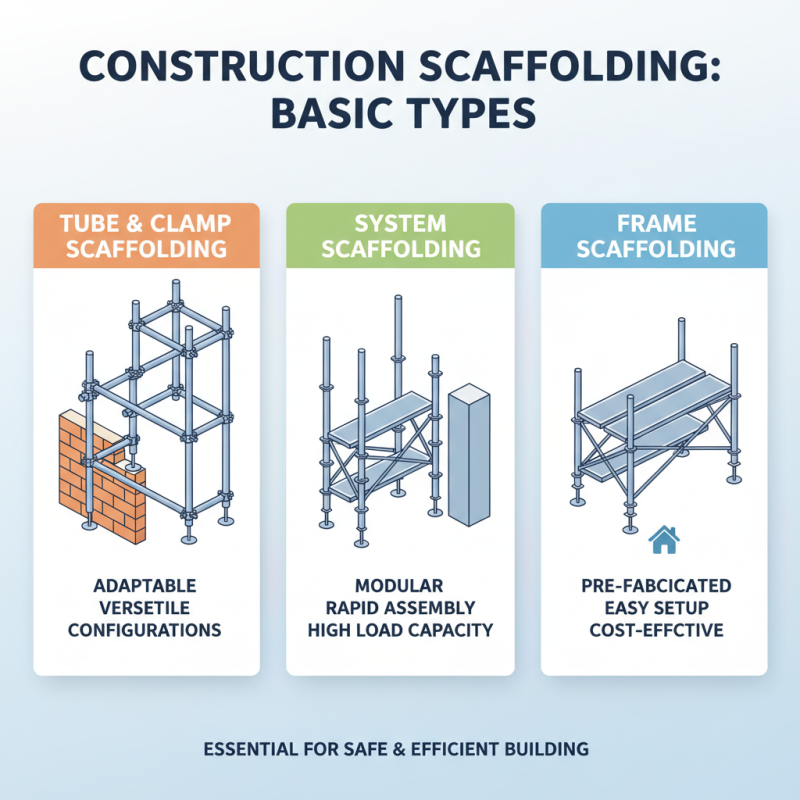
Scaffolding is crucial for construction work. There are several basic types to consider. Each type serves a specific function and has its benefits. The most common types include tube and clamp scaffolding, system scaffolding, and frame scaffolding.
Tube and clamp scaffolding consists of metal tubes connected by clamps. It is versatile, allowing for different configurations. However, it can be complex to assemble. System scaffolding uses pre-engineered components. It offers speed and efficiency. But its cost may be higher. Frame scaffolding is popular for light tasks. It is easy to set up. Yet, it might not provide enough strength for heavy materials.
Understanding these types is vital to ensure safety and efficiency. Each project has unique demands. Assess the site and materials before choosing. Consider the workforce's experience with the scaffolding type. Mistakes can lead to issues. Safety should remain the top priority throughout the setup process.
Assessing Site Conditions for Safe Scaffolding Installation
Assessing site conditions is crucial for safe scaffolding installation. Begin by evaluating the ground stability. Soft or uneven ground can lead to falls or collapses. Inspect for nearby trees or structures that could pose risks. Always consider weather conditions too. High winds or rain can jeopardize safety.
Next, look for overhead hazards. Power lines often lurk above work sites. Make sure to quantify how far scaffolding will be set up from these dangers. Inspect existing structures, walls, and rooftops for potential weaknesses. Not all surfaces are strong enough to support scaffolding equipment. It’s wise to involve a qualified professional in this assessment.
After inspection, gather your team. Discuss potential dangers openly. This conversation helps everyone understand risks. It also encourages a proactive safety culture. Remember, the goal is to create a stable and secure environment. Mistakes can happen, and not all aspects may be perfect. Reflecting on past experiences can guide improvements in future projects.
Scaffolding Safety Assessment in Different Site Conditions
Essential Tools and Materials Needed for Scaffolding Construction
When constructing scaffolding, having the right tools and materials is crucial.
Basic tools include wrenches, levels, and measuring tapes.
These help ensure stability and accuracy. Materials often consist of metal or wooden planks,
support frames, and safety rails. Each element plays a vital role in the overall integrity of the scaffold.
Tips: Always inspect your materials for defects. A small flaw can lead to major issues. Use a level to check the ground before setting up.
Uneven surfaces create dangerous work conditions. Make sure you wear appropriate
safety gear during assembly. This protects you from unexpected accidents.
Building scaffolding requires precision. It's important not to rush the setup. Take your time to double-check every joint
and connection. A minor mistake can endanger lives. Reflecting on past experiences can enhance your skills. If something doesn’t
look right, reevaluate your work. Don’t hesitate to ask for help if needed. Collaboration often leads to better outcomes.
Step-by-Step Instructions for Erecting Scaffolding Safely
Erecting scaffolding safely is crucial in construction. Reports indicate that around 65% of construction falls stem from improper use of scaffolds. This highlights the importance of following systematic steps. Begin by assessing the job site carefully. Look for overhead power lines, uneven ground, and potential hazards. The foundation is key for stability.
Select the right materials for scaffolding. Use strong, reliable components. Ensure they meet safety standards. According to industry guidelines, approximately 10% of scaffold failures occur due to poor material choice. Assemble the frame according to the manufacturer’s specifications. Have a clear understanding of the load capacity. Overloading scaffolding can lead to collapse.
After assembly, conduct a thorough inspection. Check for loose connections and damaged parts. Studies suggest that regular inspections can reduce accidents by 30%. Workers should be trained on safety protocols. Improper training contributes to many incidents. An awareness of safe practices helps mitigate risks. Remember, effective scaffolding requires continuous evaluation and adjustment.
Safety Protocols and Regulations for Scaffolding Use and Maintenance
Scaffolding safety is crucial. According to the Occupational Safety and Health Administration (OSHA), about 4,500 injuries occur annually due to scaffold misuse. Proper training is essential. Workers must understand load limits and stability requirements. The American National Standards Institute (ANSI) states that many accidents can be avoided with the right safety protocols.
Regular inspections are vital. Inspect scaffolding before each use, checking for structural integrity and equipment damage. One study showed that 60% of scaffold accidents resulted from poor maintenance. Clear communication among team members is necessary. Everyone should know the safety measures in place. It's not enough to simply adhere to regulations; protocols should be regularly reviewed and improved.
Documentation is key. Keep records of inspections and training sessions. This not only ensures compliance but also promotes accountability. Still, this aspect is often overlooked. Many workers feel complacent after initial training, forgetting to update their skills. Regular refreshers can mitigate this risk, keeping safety top of mind. Continuous improvement in scaffold safety practices helps reduce accidents significantly.

 +86 18531742341