Best Ringlock Scaffolding System for Global Buyers?
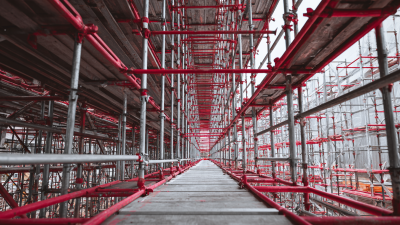
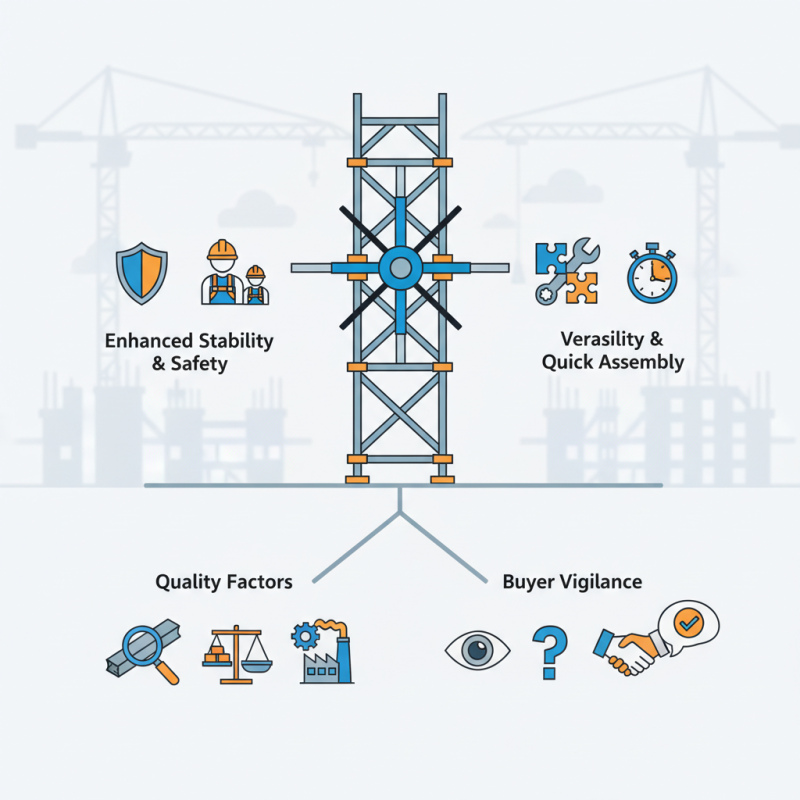
The Ringlock Scaffolding System has gained widespread recognition among construction professionals. Its design offers enhanced stability and safety on job sites. Many global buyers seek this innovative system for their projects. It stands out due to its versatility and quick assembly features. However, not all Ringlock scaffolding solutions are created equal.
When selecting a Ringlock Scaffolding System, attention to detail is vital. Factors like material quality and load capacity can significantly influence performance. Some products may claim superior strength but fall short under real-world conditions. Relying on established manufacturers contributes to long-term reliability. Conducting thorough research is key to ensuring the right purchase.
As the demand for safe scaffolding solutions increases, buyers must remain vigilant. Potential pitfalls include inadequate customer support and unclear warranties. A well-informed decision can prevent costly mistakes down the line. Ultimately, understanding the nuances of the Ringlock Scaffolding System will empower buyers. This empowers them to make the best choices for their needs.
Understanding Ringlock Scaffolding: Features and Benefits
Ringlock scaffolding systems are gaining traction globally for their versatility and safety features. This type of scaffolding is known for its quick assembly and robust construction. Industry reports indicate that the global scaffolding market size was valued at approximately $50 billion in 2022, with an expected compound annual growth rate (CAGR) of 6.2% through 2030. Such data reflects the growing demand for reliable scaffolding solutions in construction.
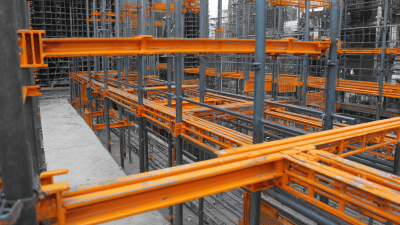
The ringlock scaffolding system combines strength with ease of use. Its unique design allows multiple configurations, making it suitable for various construction projects. Each component connects securely, providing a stable and sturdy platform. The system can handle heavy loads, often rated for over 750 kg per bay. However, it requires proper training for assemble and disassemble. Missteps can lead to safety risks.
Tips: Always conduct a safety check before use. Ensure all components are intact and correctly connected. Additionally, provide adequate training for workers. This will enhance safety and efficiency on-site. Engaging in regular maintenance is crucial for long-term use. Regular inspections help identify wear and tear, ensuring reliability throughout its lifecycle.
Key Factors for Choosing the Best Ringlock Scaffolding System
When choosing the best ringlock scaffolding system, several key factors come into play. Safety standards are paramount. Look for systems that comply with international regulations. This ensures the scaffolding can handle weight loads appropriately. Stability is crucial; a reliable system minimizes risk on the job site.
Material quality should not be overlooked. Strong aluminum or steel scaffolding offers durability and longevity. Also, consider the ease of assembly. Intuitive designs can reduce setup time and improve efficiency. It’s important to check for adjustable components, ensuring a secure fit on uneven ground.
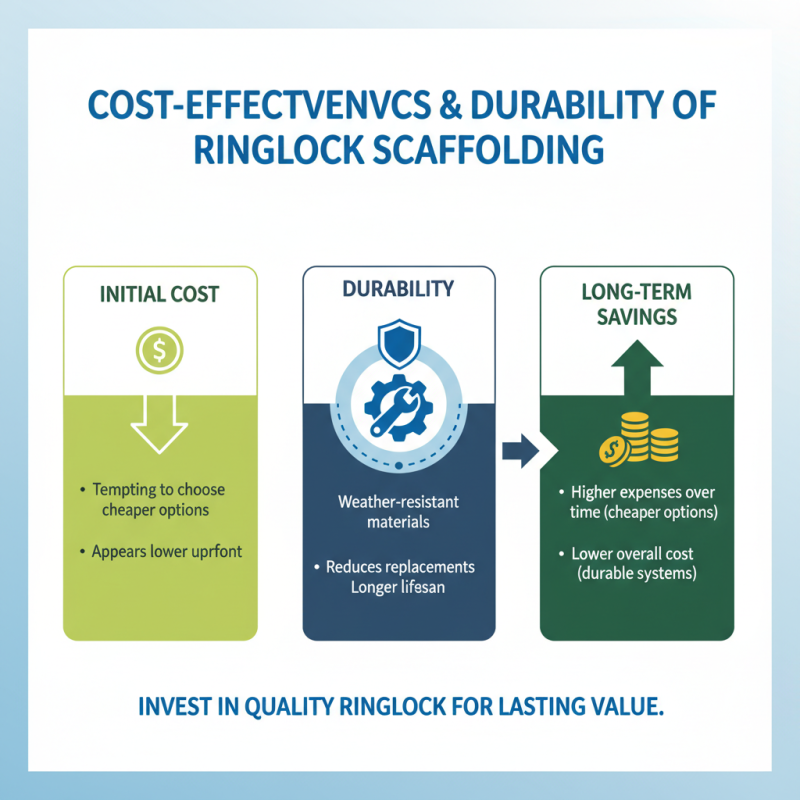
Price can often influence decisions, but don't compromise on safety for savings. Sometimes, cheaper options may lead to failures. Conduct thorough research and read reviews from various sources. This can prevent potential mishaps. A solid ringlock scaffolding system is not just about meeting basic requirements. It needs to be user-friendly and efficient in real-world applications. A little reflection on these factors can lead to better choices.
Best Ringlock Scaffolding System for Global Buyers
Comparative Analysis of Top Ringlock Scaffolding Brands
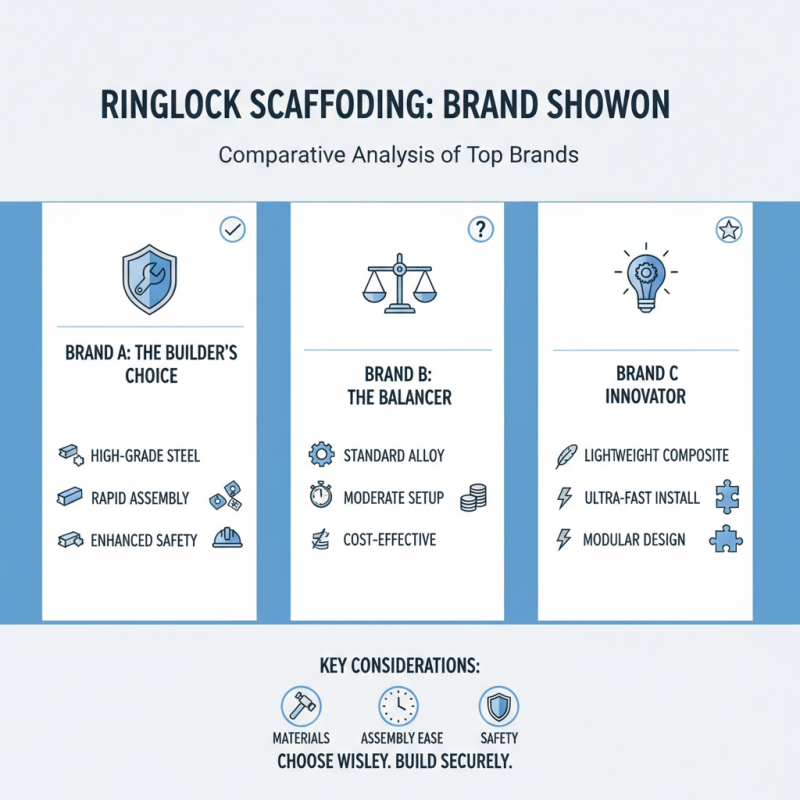
When selecting a ringlock scaffolding system, buyers face a variety of options. Many factors come into play, such as stability, ease of assembly, and overall safety. For effective comparisons, assess the materials used in construction. Some systems utilize high-quality steel, while others may compromise durability for cost-effectiveness. It's crucial to weigh these considerations carefully.
In addition to material quality, the design of the components significantly affects performance. Some brands offer innovative locking mechanisms. Others have simple yet effective designs. Evaluating these features can help determine which system meets specific project needs. Moreover, user reviews often highlight unexpected challenges with assembly or disassembly. Feedback from experienced users can provide insights into potential issues that may not be immediately obvious.
Finally, the availability of spare parts is another important factor. A reliable scaffolding system should have accessible replacement components. This availability can differ greatly among manufacturers. Buyers should also consider the support offered post-purchase. Inconsistent customer service experiences can lead to frustrations during urgent projects. Engaging with community forums may also illuminate others' reflections on usability. Aim for a balanced perspective when making this vital choice.
Global Compliance Standards for Ringlock Scaffolding Systems
Ringlock scaffolding systems have gained popularity worldwide due to their versatility and stability. However, ensuring compliance with global standards is vital for safety and reliability. According to a recent report by the International Organization for Standardization (ISO), adherence to scaffolding standards reduces accident rates by up to 30%. This statistic underscores the importance of following established guidelines during scaffolding projects.
Safety norms for ringlock systems vary across regions but some common standards include EN 12810, which focuses on temporary works. Compliance with these regulations ensures that the scaffolding can sustain specified loads and withstand environmental challenges. Systematic checks and certifications from recognized authorities enhance buyer confidence. Proper training for operators and site managers also contributes significantly to compliance.
Tips for ensuring compliance: Always seek third-party certifications for scaffolding parts. Regularly audit scaffolding setups to identify potential hazards. Engage in continuous training sessions for your team. Remember, non-compliance can lead to serious penalties and increased risk of accidents. The focus should be on creating a culture of safety and adherence to regulations. In the ever-evolving construction sector, remaining informed about the latest compliance standards is essential for success.
Best Ringlock Scaffolding System for Global Buyers
| Feature |
Specification |
Compliance Standard |
Max Load Capacity (kN) |
Weight (kg) |
| Ringlock Diameter |
48.3 mm |
EN 12810-1 |
60 |
3.5 |
| Standard Length |
3.0 m |
AS/NZS 1576 |
80 |
9.0 |
| Brace Length |
1.8 m |
ISO 9001:2015 |
45 |
2.8 |
| Decking Type |
Plywood |
OSHA Regulations |
100 |
5.0 |
| Connection Type |
Drop-in |
BS 1139 |
70 |
7.0 |

 +86 18531742341