Top 10 Benefits of Using Steel Scaffolding for Your Construction Projects
In the construction industry, safety and efficiency are paramount, and one crucial element that addresses both of these concerns is Steel Scaffolding. This robust framework not only provides support for workers and materials but also enhances the overall structural integrity of a project. With a multitude of benefits, Steel Scaffolding stands out as a preferred choice for contractors and builders looking to optimize their construction processes.
The advantages of Steel Scaffolding are extensive, ranging from its superior strength and durability to its adaptability for various construction environments. By utilizing Steel Scaffolding, teams can achieve heightened safety standards, streamline project timelines, and reduce overall costs. As the construction landscape continues to evolve, understanding the top ten benefits of employing Steel Scaffolding can help industry professionals make informed decisions that lead to successful project outcomes.
Advantages of Steel Scaffolding in Construction Projects
Steel scaffolding has become a pivotal element in modern construction projects, offering numerous advantages that enhance safety, efficiency, and overall project quality. One of the leading benefits is its strength and stability. According to the Occupational Safety and Health Administration (OSHA), steel scaffolding can support heavier loads compared to wood or aluminum options, making it ideal for large-scale projects. This robustness significantly reduces the risk of material failure and accidents, fostering a safer working environment for construction crews.
In addition to safety, steel scaffolding is recognized for its durability and longevity. Research by the International Journal of Structural Engineering highlights that steel scaffolding can withstand harsh weather conditions and corrosion, often lasting several years with minimal maintenance. This attribute not only ensures project timelines are met but also reduces long-term costs associated with frequent replacements or repairs. Furthermore, steel systems are highly customizable, allowing for various configurations that accommodate different site conditions, ultimately contributing to increased efficiency on construction sites.
Enhanced Stability and Safety Features of Steel Scaffolding
Steel scaffolding is renowned for its enhanced stability and safety features, making it a popular choice for construction projects of all sizes. One of the key benefits of using steel scaffolding is its ability to provide a robust framework that can withstand heavy loads and adverse weather conditions. The structural integrity of steel ensures that the scaffolding can support workers and materials at various heights without compromising safety. This durability reduces the risk of collapses or accidents on site, creating a safer working environment for all personnel involved in the construction process.
Moreover, steel scaffolding is designed with safety features such as guardrails, toe boards, and non-slip surfaces. These added components work together to minimize the hazards associated with working at height. By incorporating these safety elements, workers are better protected from falls and injuries. The adaptability of steel scaffolding systems allows for quick assembly and disassembly, ensuring that safety measures remain in place throughout the duration of the project. This combination of stability and safety not only enhances productivity but also fosters a culture of safety compliance on construction sites, ultimately leading to more successful project outcomes.
Cost-Effectiveness of Steel Scaffolding in Long-Term Use
When considering scaffolding options for construction projects, steel scaffolding stands out for its long-term cost-effectiveness. According to a report from the Occupational Health and Safety Administration (OSHA), steel scaffolding can last significantly longer than its wooden or aluminum counterparts, providing a reliable solution that reduces the need for frequent replacements. This durability translates to lower long-term costs, as projects that utilize steel scaffolding often incur fewer expenditures related to repairs and replacements over time. In fact, a study by the Construction Industry Institute found that projects using durable materials like steel report up to 20% lower maintenance costs.
Furthermore, steel scaffolding can lead to enhanced productivity on job sites. With its robust structure, workers can safely access higher elevations without the frequent adjustments required by less sturdy materials. A survey by the National Institute for Occupational Safety and Health (NIOSH) noted a 15% increase in efficiency when teams used steel scaffolds compared to lighter alternatives. This translates to cost savings as labor is utilized more effectively, ultimately benefiting the project budget.
Tips for utilizing steel scaffolding include ensuring proper inspection before use to identify any potential issues, which can save costs associated with accidents and delays. Additionally, investing in training for crew members on the best practices for steel scaffolding can maximize safety and efficiency, leading to more streamlined operations and further economic benefits throughout the project lifecycle.
Versatility and Adaptability of Steel Scaffolding Designs
Steel scaffolding offers remarkable versatility and adaptability, making it an ideal choice for various construction projects. Its modular nature allows for easy customization, allowing contractors to design scaffold systems that cater specifically to the unique requirements of different worksites. This adaptability is beneficial for projects with irregular structures or varying heights, enabling efficient access for workers and materials while ensuring safety and stability.
When utilizing steel scaffolding, it’s essential to consider design flexibility. Modular components can be added or removed as needed, facilitating quick adjustments on-site. For example, if a project's scope changes or additional tiers are required, steel scaffolding can be reconfigured with minimal downtime. This feature is particularly advantageous for fast-paced environments where construction schedules are tight.
Tip: Always assess the load capacity of your scaffolding design to ensure it meets the demands of your project. Regular inspections and maintenance checks will also help ensure safety and prolong the lifespan of your scaffolding system. Additionally, training your crew on proper assembly and disassembly processes will further enhance efficiency and reduce potential risks during construction activities.
Top 10 Benefits of Using Steel Scaffolding for Your Construction Projects
Environmental Benefits of Using Steel Scaffolding in Construction
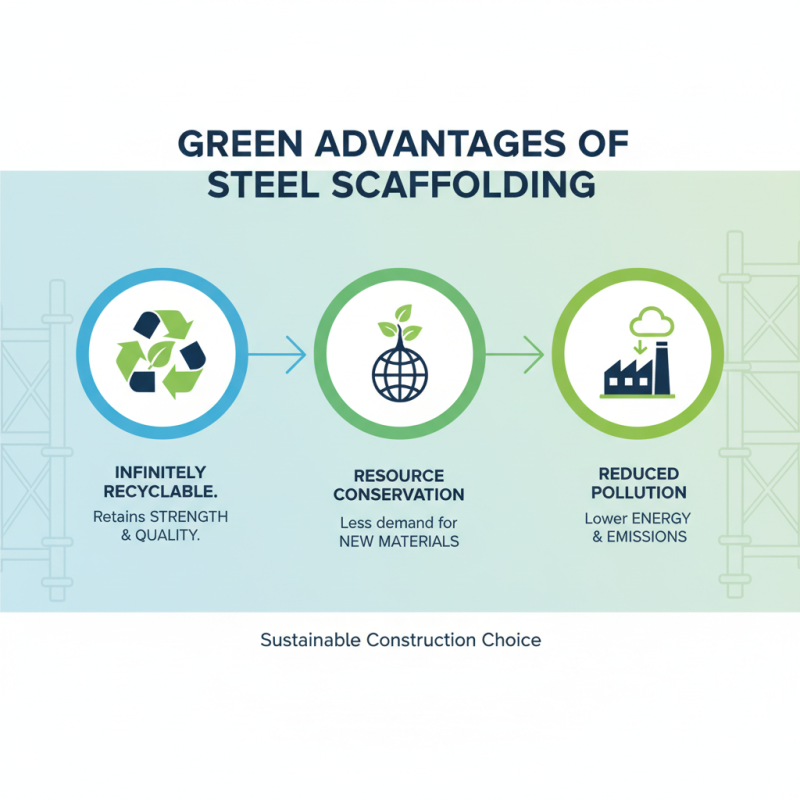
The environmental benefits of using steel scaffolding in construction are significant and multifaceted. One of the key advantages is the recyclability of steel. Unlike many other materials used in scaffolding, steel can be recycled indefinitely without losing its strength or quality. This reduces the demand for new raw materials, thereby conserving natural resources and minimizing environmental impact. The use of recycled steel also lowers energy consumption and greenhouse gas emissions associated with the production of new steel, making it a more sustainable option for construction projects.
Additionally, steel scaffolding is known for its durability and longevity, reducing the need for frequent replacements and repairs. This durability not only streamlines the construction process but also lessens waste generation compared to other temporary structures that may need to be discarded after a short period. Furthermore, steel scaffolding can be disassembled and reused for multiple projects, significantly extending its lifecycle and contributing to a more circular economy in the construction industry. By opting for steel scaffolding, construction firms can play a crucial role in promoting environmentally-friendly practices while maintaining the efficiency and safety of their projects.

 +86 18531742341