2026 Top Cup Lock Scaffolding Benefits for Global Buyers?
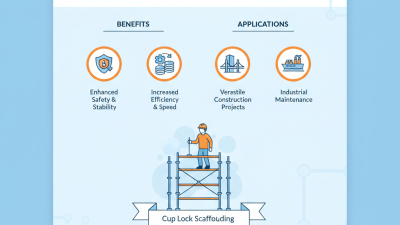
As the construction industry evolves, the demand for efficient and reliable scaffolding solutions rises. Cup Lock Scaffolding stands out as a preferred choice for many global buyers. This innovative system combines strength, versatility, and ease of assembly. Its design allows for quick setup and teardown, making it ideal for various projects.
Buyers seek out Cup Lock Scaffolding for its durability. It can withstand heavy loads, which reduces the risk of accidents on site. Additionally, the modular nature simplifies transportation and storage. However, not all scaffolding solutions meet the unique needs of every project. Some users experience difficulties in adapting the system to complex structures. It's crucial to weigh the pros and cons. Choosing the right scaffolding requires careful consideration of specific project requirements.
Ultimately, the benefits of Cup Lock Scaffolding remain compelling. It offers a blend of safety and efficiency that many construction teams need. Yet, it’s essential to approach each project with a critical eye. Balancing quality with cost-effectiveness is an ongoing challenge for global buyers.
Benefits of Top Cup Lock Scaffolding in Construction Projects
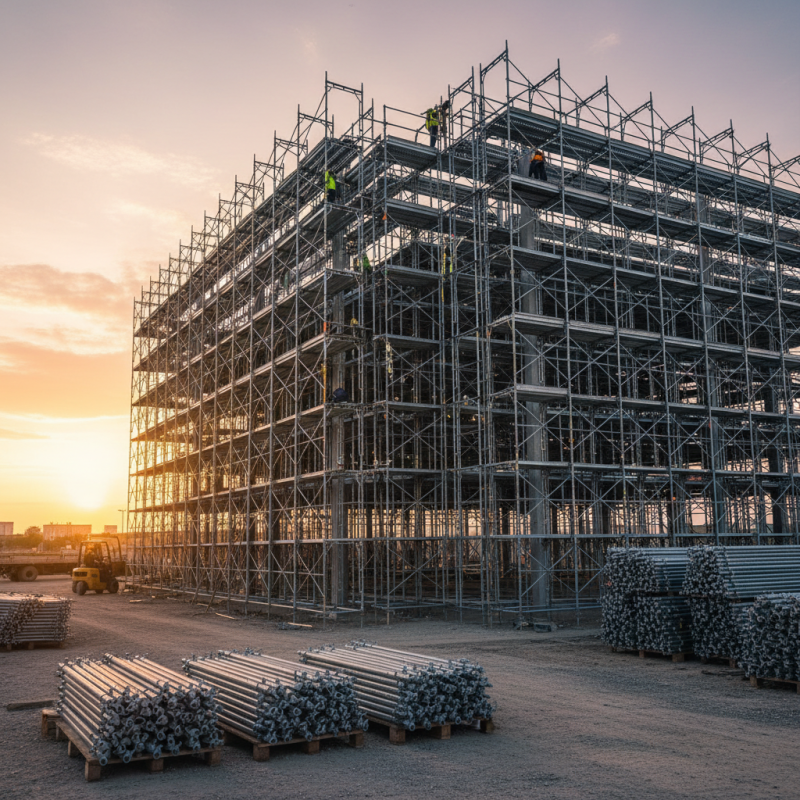
Top cup lock scaffolding has gained popularity in recent years, especially for large-scale construction projects. This system provides numerous advantages that make it a preferred choice among contractors globally. It offers exceptional load capacity, essential for supporting heavy materials. According to industry reports, top cup lock scaffolding can handle loads of up to 2 tons per square meter, ensuring safety and stability on job sites.
Safety is a critical factor in construction. The design of top cup lock scaffolding minimizes the risk of accidents. It uses a friction-based connection system that enhances structural integrity. A recent survey indicated that projects utilizing this scaffolding type experienced a 30% reduction in workplace accidents. However, it's vital to train personnel correctly. Improper installation can still pose risks.
Flexibility is another crucial benefit. Top cup lock scaffolding can adapt to various project needs, allowing for quick adjustments. This adaptability can reduce downtime in busy construction schedules. Yet, some users note challenges with disassembly, which may require additional tools. Addressing these minor flaws is essential for enhancing overall workflow efficiency.
Cost-Effectiveness of Top Cup Lock Scaffolding for Global Buyers
Top Cup Lock scaffolding is gaining traction among buyers globally, particularly due to its cost-effectiveness. According to the Global Scaffolding Market Report 2023, the demand for innovative scaffolding solutions is rising, with a projected annual growth rate of 4.5%. This reflects a need for safer, more efficient construction practices.
One of the key advantages of Top Cup Lock scaffolding is its modular design. This allows for quick assembly and disassembly, leading to significant labor cost savings. Studies suggest that labor costs can account for up to 60% of total project expenses. By reducing the time spent on assembly, projects stay on schedule. Moreover, the durability of this scaffolding type minimizes maintenance costs in the long run, ensuring a better return on investment.
However, it is important to be critical. While Top Cup Lock scaffolding offers many benefits, not all projects may find it suitable. Certain construction sites might require more traditional methods due to unique requirements. Buyers should conduct thorough site assessments before making a decision. Understanding specific project needs is essential for optimizing budget and resources.
Enhanced Safety Features of Top Cup Lock Scaffolding Systems
The safety features of Top Cup Lock Scaffolding systems stand out in the construction industry. According to a recent report from the Occupational Safety and Health Administration (OSHA), nearly 60% of construction site fatalities involve falls. Scaffolding systems, like the Top Cup Lock, aim to mitigate these risks. Their unique design provides enhanced stability and support, reducing the chance of accidents.
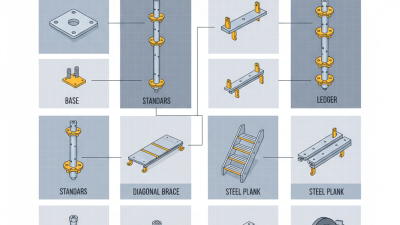
Top Cup Lock Scaffolding features a robust locking mechanism that secures vertical and horizontal components tightly. This reduces wobbling and increases the structure's overall integrity. Statistics show that using quality scaffolding can decrease accident rates by up to 30%. Additionally, the use of high-grade materials contributes to a longer lifespan, making them a reliable choice for global buyers.
Tips: Always check weight limits before use. Regular inspections can identify wear and tear. Training workers on proper assembly is crucial for maintaining safety standards. Be aware that inadequate safety measures can lead to serious consequences. Monitoring compliance with safety regulations can significantly impact site safety. Prioritizing the right scaffolding solutions is essential for any construction project.
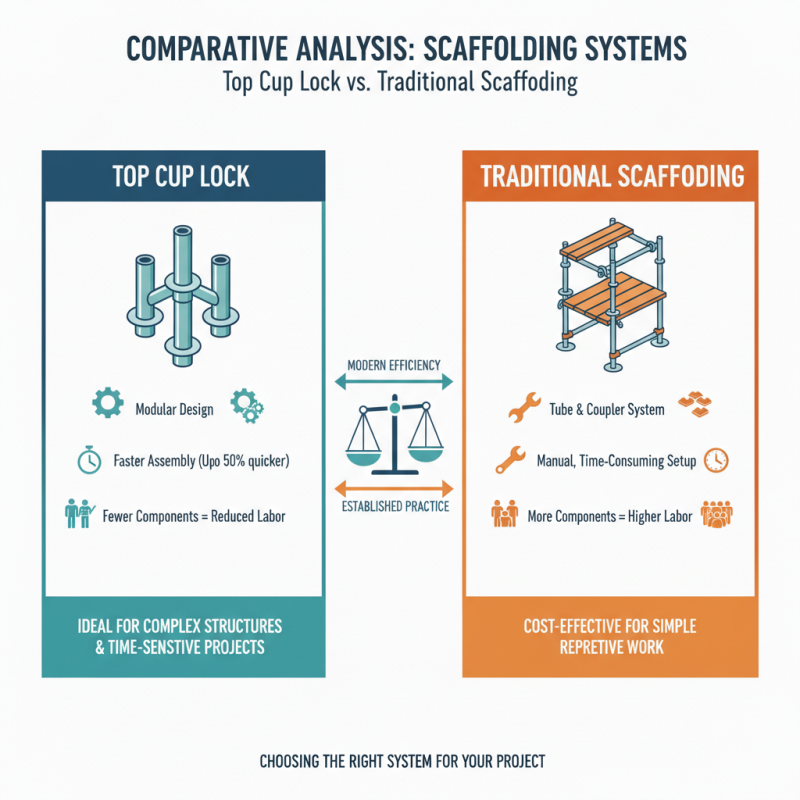
Comparative Analysis: Top Cup Lock vs. Traditional Scaffolding
The Choice Between Top Cup Lock and Traditional Scaffolding
When comparing Top Cup Lock scaffolding to traditional systems, several critical factors stand out. Top Cup Lock offers enhanced stability. It uses a unique interlocking design, providing a secure connection between components. Traditional scaffolding often relies on basic clamp and bolt connections. These connections can loosen over time, posing safety risks.
Another important aspect is assembly time. Top Cup Lock systems are quicker to set up. Fewer components reduce complexity. This efficiency leads to shorter project timelines. Traditional scaffolding requires more labor for assembly and disassembly. Workers may face challenges in tight spaces, making the process cumbersome.
Cost-effectiveness is also worth considering. While initial investments for Top Cup Lock may be higher, long-term benefits can outweigh these costs. More efficient assembly and improved durability reduce maintenance fees. However, project managers must evaluate their specific needs. Consider site conditions and project duration for the best choice. This thoughtful analysis can lead to improved safety and productivity. Many workers have reported mixed experiences. Evaluation and adaptation are key to making the right decision.
Sustainability and Environmental Impact of Top Cup Lock Scaffolding
The construction industry is evolving, focusing more on sustainability. Top cup lock scaffolding presents unique advantages in this context. Its design enables efficient use of materials, reducing waste. This method minimizes the environmental footprint of construction projects.
Moreover, top cup lock scaffolding is durable and reusable, promoting long-term sustainability. Each component is engineered for longevity. This reduces the need for frequent replacements, which contributes to a more sustainable practice. However, some may argue that transportation of these materials can still impact the environment. This is an area worth exploring for further improvements.
Additionally, recycling options exist for end-of-life scaffolding materials, providing another sustainability avenue. Yet, awareness around proper recycling procedures remains limited. Buyers must educate themselves on this aspect. Green building certifications can encourage better practices, but they require commitment from all stakeholders involved.
2026 Top Cup Lock Scaffolding Benefits for Global Buyers
| Benefit |
Description |
Environmental Impact |
Sustainability Aspect |
| High Load Capacity |
Supports heavier loads compared to traditional scaffolding. |
Reduces need for additional scaffolding, minimizing material use. |
Long-lasting materials extend lifespan. |
| Easy Assembly |
Quick to set up, reducing labor time. |
Less time on site decreases energy consumption. |
Promotes efficiency and streamlined processes. |
| Safety Features |
Designed for improved safety, reducing accidents. |
Lowers the risk of injuries and associated environmental costs. |
Reinforces a culture of safety on-site. |
| Recyclable Materials |
Made from materials that can be recycled. |
Reduces waste in landfills. |
Supports a circular economy model. |
| Versatility |
Can be used in various construction settings. |
Maximizes resource utilization across projects. |
Adaptable for different environmental conditions. |

 +86 18531742341