2025 Top Scaffolding Pipe Trends You Should Know for Construction Projects
In the ever-evolving construction industry, the importance of scaffolding pipe cannot be overstated. It serves as a fundamental component in ensuring the safety and efficiency of construction projects worldwide. According to a report from MarketsandMarkets, the global scaffolding market is projected to reach USD 70.5 billion by 2026, growing at a CAGR of 5.6% from 2021. This growth is driven by the increasing demand for residential and non-residential construction, highlighting the pivotal role that scaffolding pipe plays in supporting these projects.
As we look toward 2025, several emerging trends are poised to shape the scaffolding industry. Innovations in materials, such as the transition to lightweight yet durable scaffolding pipe options, are becoming increasingly prevalent. Additionally, advancements in technology, including the use of 3D modeling and digital project management tools, are enhancing the planning and execution of scaffolding setups, ultimately improving safety outcomes on construction sites. With these trends in mind, it is crucial for industry professionals to stay informed and adapt to the shifting landscape to maintain competitive advantage. Understanding these evolving dynamics surrounding scaffolding pipe is essential for successful project management in the years to come.

Emerging Materials in Scaffolding Pipe Technology for 2025
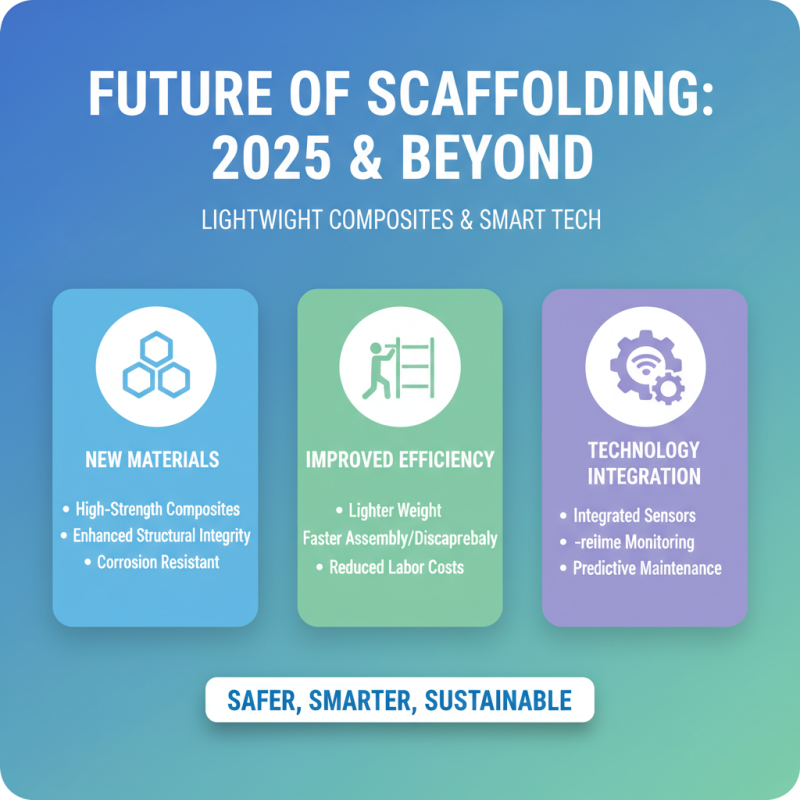
As the construction industry continues to evolve, the scaffolding sector is witnessing significant advancements driven by emerging materials and innovative technology. By 2025, construction managers and contractors will likely see a growing incorporation of lightweight, high-strength composites in scaffolding pipe designs. These materials not only enhance the structural integrity of scaffolding systems but also improve portability and ease of assembly, making them ideal for diverse construction environments.
**Tips:** When considering materials for scaffolding pipes, prioritize options that blend performance with sustainability. Look for products made from recycled materials or those that can be easily disassembled and reused in future projects. This approach not only minimizes environmental impact but can also reduce overall costs in the long term.
Additionally, the rise of smart scaffolding solutions is expected to integrate technology such as sensors and IoT connectivity. These advancements will allow for real-time monitoring of structural stability and worker safety, thereby reducing accidents and improving operational efficiency. Contractors should stay informed about these technological trends to maximize project management effectiveness.
**Tips:** Invest in training for your team on the latest scaffolding technologies. This ensures that they are well-equipped to utilize new materials and smart systems, leading to enhanced safety and productivity on the job site.
Innovative Design Trends in Scaffolding Pipes for Enhanced Safety
The scaffolding industry is experiencing a paradigm shift as innovative design trends emerge, significantly enhancing safety in construction projects. One of the prominent trends is the integration of advanced materials that offer improved strength and durability without compromising on weight. These materials, such as high-strength steel and lightweight alloys, not only reduce the overall load on scaffolding structures but also enhance stability, ensuring that they can support heavier loads and endure harsh weather conditions. This safeguards workers on-site and minimizes the risk of accidents.
Additionally, technology-driven designs are setting new benchmarks for safety in scaffolding. The incorporation of intelligent monitoring systems, which use sensors to track the condition and integrity of scaffolding pipes in real-time, plays a crucial role in preventing failures before they occur. These systems can alert workers and project managers to potential issues, such as structural weaknesses or overload situations, thereby facilitating timely responses. Furthermore, the trend towards modular scaffolding designs simplifies assembly and disassembly, reducing the time workers spend at heights and consequently decreasing the likelihood of falls or injuries. Collectively, these innovative design trends are reshaping scaffolding practices, ensuring that construction sites are safer for everyone involved.
2025 Top Scaffolding Pipe Trends for Construction Projects
This bar chart displays the popularity index of various scaffolding pipe trends in construction projects for the year 2025. The trends include modular systems, lightweight materials, automated scaffolding, smart technology integration, and eco-friendly solutions.
Sustainability Practices Influencing Scaffolding Pipe Choices
As the construction sector continues to evolve, sustainability practices are playing a critical role in influencing scaffolding pipe choices. The shift towards more eco-friendly materials and methods not only underscores the industry's commitment to reducing its carbon footprint but also promotes the use of recycled materials. Builders are increasingly selecting scaffolding pipes made from sustainable sources, which align with their broader green building strategies. These practices not only enhance the environmental performance of projects but also can lead to cost savings in the long term, as energy-efficient processes become more prevalent.
Tips for selecting sustainable scaffolding pipes include evaluating the material composition and sourcing. Opt for pipes that are manufactured from recycled metals or sustainably harvested materials, as these choices significantly minimize resource depletion. Additionally, consider the life cycle of the products: using durable pipes that withstand wear and reduce waste can contribute positively to sustainability goals. Finally, it's essential to collaborate with suppliers who prioritize eco-friendly practices, ensuring a seamless integration of sustainable options into your project.
Moreover, adopting innovative scaffolding designs can further enhance sustainability. Modular systems that are easy to assemble and disassemble promote reuse and reduce the need for new materials. This approach not only decreases waste but also improves efficiency on-site. Emphasizing sustainability in scaffolding pipe selection is not just a trend; it is becoming an essential aspect of responsible construction practices that will shape the future of the industry.
Digital Tools and Their Impact on Scaffolding Pipe Management
The integration of digital tools in scaffolding pipe management is transforming the construction industry, enhancing efficiency and safety while reducing costs. Recent reports indicate that the adoption of digital management systems can lead to a time reduction of up to 30% in project completion. These tools facilitate real-time inventory tracking, enabling project managers to accurately monitor scaffolding materials and ensure that resources are allocated effectively.
Furthermore, the implementation of Building Information Modeling (BIM) in scaffolding design and management fosters improved collaboration among construction teams. A study by the Construction Industry Institute found that projects utilizing BIM can achieve a 15-20% decrease in waste and rework, ultimately resulting in significant cost savings. The data visualization features of these digital tools allow for enhanced risk assessment, ensuring that scaffolding setups are optimized for safety and compliance.
As the scaffolding sector continues to evolve, the reliance on digital tools is expected to grow. Approximately 70% of construction professionals believe that digitization will be pivotal in driving the future of scaffold management, according to a recent industry survey. Embracing these technologies not only streamlines operations but also positions companies to better respond to the dynamic challenges of construction projects in the coming years.
Key Manufacturer Innovations in Scaffolding Pipe Production for 2025
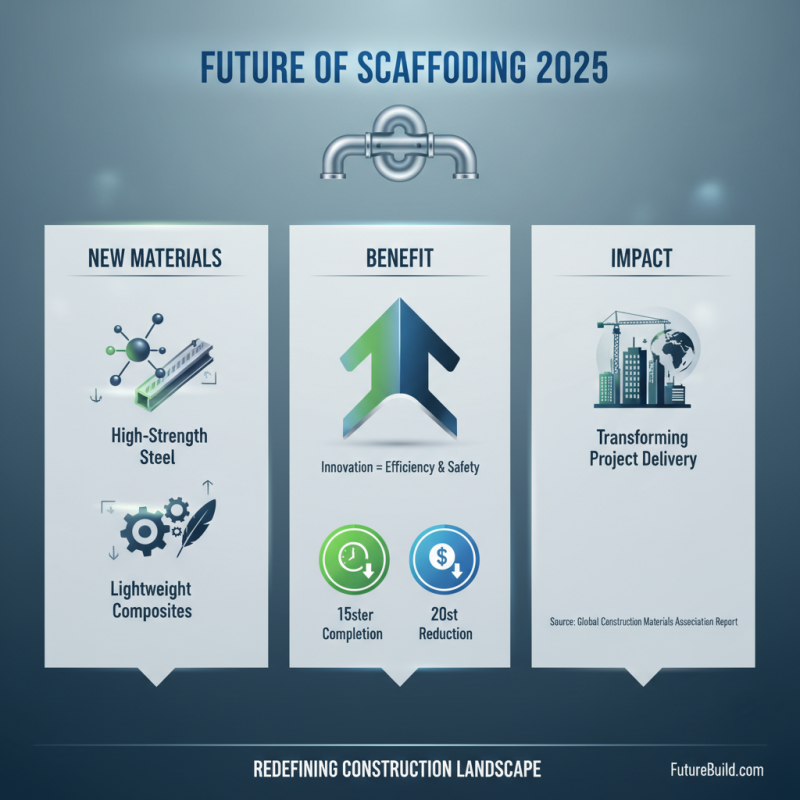
As we delve into the construction landscape of 2025, innovations in scaffolding pipe production are set to redefine efficiency and safety. Key manufacturers are focusing on the integration of advanced materials such as high-strength steel and lightweight composites that promise enhanced durability while reducing overall weight. According to a report by the Global Construction Materials Association, the adoption of innovative scaffolding materials could lead to a 15% reduction in construction timelines and a 20% decrease in costs, effectively transforming project delivery paradigms.
In addition to material innovations, manufacturers are increasingly automating production processes, enabling higher precision and consistency in scaffolding pipe fabrication. Automation not only streamlines production workflows but also minimizes human error, contributing to safer construction sites. A recent analysis from the International Scaffolding Federation highlights that companies leveraging automation are likely to achieve a 30% improvement in operational efficiency by 2025, setting a new standard for the industry.
Tips: To stay ahead in the evolving market, construction managers should prioritize suppliers that demonstrate a commitment to sustainable practices. Selecting scaffolding pipes produced with eco-friendly materials not only supports environmental goals but also taps into the growing demand for green construction methods. Additionally, investing in training for staff on the latest scaffolding technologies can improve safety and enhance productivity on-site.

 +86 18531742341